 Contact Us
Contact Us
Contact Us
Healthy trees are one of the most valuable parts of any outdoor property, and RTEC Treecare understands how important proper maintenance is for long-lasting landscapes. Trees provide shade, beauty, cleaner air, and even improve property value. However, many homeowners fail to notice early warning signs of tree problems until serious damage has already occurred. One of the most common concerns involves fungi and mushrooms growing near tree roots or trunks.
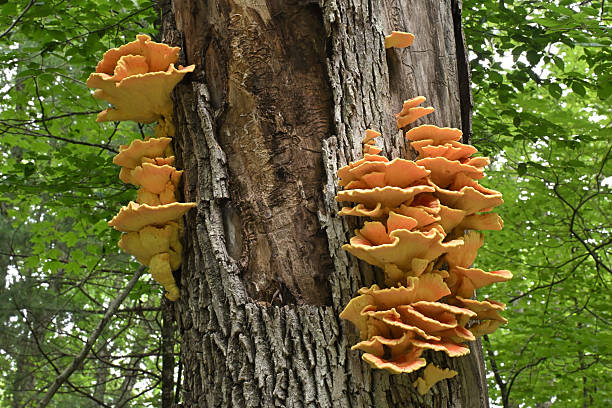
When mushrooms appear around a tree, they may indicate hidden decay or internal problems. While not every mushroom is dangerous, fungal growth often points to excess moisture, root damage, or rotting wood beneath the surface. Understanding these warning signs can help property owners take quick action before a tree becomes hazardous.
Trees are living organisms that require proper care throughout every season. Just like lawns and gardens, trees can suffer from disease, stress, pests, and environmental damage. Ignoring early symptoms may lead to falling branches, unstable trunks, or complete tree failure.
Healthy trees provide many benefits, including:
Regular inspections and maintenance help trees remain strong and resistant to disease. Professional tree care also ensures small issues are handled before they become expensive emergencies.
Mushrooms growing around a tree are often linked to fungal activity inside the wood or roots. Fungi feed on dead organic matter, but they can also attack weakened trees. In many cases, mushrooms indicate internal decay that is not immediately visible from the outside.
Common causes of fungal growth include:
Overwatering or poor drainage creates ideal conditions for fungi to grow. Wet soil around roots weakens tree health and encourages decay organisms to spread.
Construction work, lawn equipment, and compacted soil may damage roots. Once roots are injured, fungi can enter and begin breaking down the wood structure.
Old stumps, buried roots, and decaying branches attract fungal growth. Mushrooms are often the visible sign of a larger underground problem.
Mushrooms are not the only indicator of tree disease or decay. Property owners should also watch for several other warning signs that may suggest declining tree health.
Large cracks or hollow areas inside a tree often mean internal decay has already begun. Weak trunks become dangerous during storms or high winds.
Falling or brittle branches are a common sign of stress. Trees struggling with disease often lose limbs before the entire tree declines.
A sudden lean may indicate root instability. This can happen when roots decay or become damaged underground.
Healthy bark protects the tree from insects and disease. Peeling or missing bark may suggest infection or decay beneath the surface.
Leaves that turn brown too early or fail to grow properly may indicate poor nutrient flow or root problems.
Many tree issues cannot be diagnosed by appearance alone. Professional arborists use their training and experience to identify hidden problems before they worsen. A detailed inspection helps determine whether a tree can be saved or if removal is the safest option.
Tree professionals evaluate:
Routine inspections are especially important after storms, heavy rainfall, or construction projects near trees.
Preventive care is one of the best ways to keep trees healthy and strong for years. Simple maintenance practices can greatly reduce the risk of fungal infections and decay.
Standing water around roots encourages fungal growth. Proper drainage systems help maintain balanced soil moisture.
Protect root zones during landscaping or construction work. Heavy machinery and digging near trees can weaken root systems.
Removing dead or damaged branches improves airflow and prevents disease from spreading through the tree.
Mulch helps retain moisture and regulate soil temperature, but too much mulch around the trunk can trap moisture and encourage decay.
Professional trimming and inspections allow early detection of tree problems before they become severe.
Unfortunately, some trees become too damaged or unstable to save. Severe root rot, advanced decay, or major structural weakness may create serious safety hazards. In these situations, professional tree removal protects nearby homes, vehicles, and people.
Signs a tree may require removal include:
Removing dangerous trees quickly can prevent property damage and injuries.
Each season presents different challenges for tree health. Understanding seasonal care can improve growth and reduce stress throughout the year.
Inspect trees for winter damage and trim dead branches before new growth appears.
Water deeply during dry periods and monitor trees for signs of pests or disease.
Remove fallen leaves and debris that may trap moisture near roots.
Protect young trees from freezing temperatures and heavy snow accumulation.
Seasonal maintenance helps trees remain healthy and better prepared for changing weather conditions.
Professional tree care requires experience, proper equipment, and knowledge of tree biology. Hiring trained specialists ensures the job is completed safely and correctly. Experienced arborists can identify risks early and recommend the best solutions for long-term tree health.
Whether you need trimming, inspections, disease diagnosis, or tree removal, working with qualified experts makes a major difference in protecting your landscape investment.
Trees add beauty, value, and environmental benefits to any property, but they also require proper care and attention. Mushrooms growing around trees may indicate hidden decay that should never be ignored. Regular inspections, preventive maintenance, and timely treatment can help preserve tree health and reduce safety risks. For reliable tree maintenance and expert care, rtec treecare provides professional solutions that help keep landscapes healthy, safe, and attractive throughout the year.